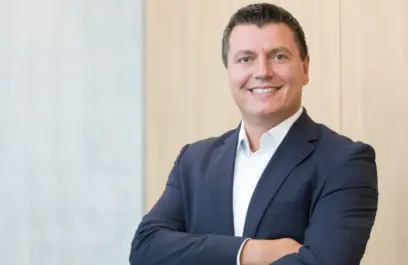
Thomas, what are your duties and responsibilities as Vice President of Customer Support & Services at Uhlmann?
Basically, my role centers on one thing: our customers—and ensuring that they are happy with us. I oversee the entire global service division, which covers everything that happens once our machines are installed at the customer’s site: from providing spare parts, upgrades, format parts and service technicians, right through to customer support and training.
In my book, customer service is more than just responding when things go wrong. We want to support our customers and help them succeed with our solutions. And that’s why we are constantly optimizing our services–for example, through new digital offerings or by employing technologies such as remote services and artificial intelligence. At the same time, our people play a pivotal role: their skills and commitment ultimately make the difference. In short, our goal is to create service that translates into genuine added value for our customers. We aim to provide solutions—not just format parts, service calls, or new machines.

We aim to provide solutions—not just format parts, service calls, or new machines.
Thomas Sailer, Vice President Customer Support & Services
How would you assess the role of Customer Support & Services division at Uhlmann?
For me, every interaction with a customer is an experience, and every touchpoint is an opportunity we must seize to delight and inspire the customer. Because these interactions determine whether we are perceived as a reliable, competent, and collaborative partner. Service is particularly critical, as it often constitutes the most frequent and personal interaction with the customer. Especially when something goes wrong or a new challenge arises, we are called in to assist—and we can make or break the customer’s day. That’s why I see service as something that goes far beyond support or commissioning; it’s a key driver of customer satisfaction, and it requires a company-wide commitment to customer centricity. Every service experience reshapes how our brand is perceived, day by day.
What is good customer service to you?
For me, good customer service is essentially about being reliable and “wowing” customers by creating real added value. Delivering on our promises—be it response times or our service commitments—is crucial. And you also need solid expertise and empathy when engaging with customers. But it’s also essential to be proactive: it’s not just about resolving urgent issues, but about truly understanding the application and working with the customer to develop solutions. At the end of the day, it’s about building long-term partnerships that benefit both parties.
Now that you’ve spent a few months at the company, what has your experience at Uhlmann been like so far?
My first few months at Uhlmann were very intense—but in a good way. I was given a very warm welcome right from the start, and many colleagues took the time to answer my questions. I was particularly impressed by the teams’ outstanding technical expertise and how strongly they identify with the company. You can really feel that many people here are truly committed to Uhlmann—I think that’s great! And I think it’s safe to say that I’ve become an ‘Uhlmanner’ myself. This sense of belonging is important to me as it means I can represent the brand and our products credibly to customers. I was also impressed by Uhlmann’s clear strategic vision, for example as regards our GO FOR 30 strategy and how strongly employees identify with it.
I’ve become an ‘Uhlmanner‘ myself. This sense of belonging is important to me as it means I can represent the brand and our products credibly to customers.
Thomas Sailer, Vice President Customer Support & Services
What issues are you focusing on at present in Customer Support & Services?
A key strategic priority for me is to make our service even more customer-centric. This also means changing our mindset—breaking away from traditional patterns and asking ourselves how we can enable customers to improve and thereby create added value. It’s about thinking more in terms of solutions, engaging with customers in new ways, and better integrating our existing services.
At the same time, I see considerable potential in areas such as internationalization, standardization, and digitalization. Our goal must be to deliver a consistent customer experience worldwide while being closer to the markets. So the overall objective is to further optimize our customer service—both in terms of collaboration and customer centricity.
How is the service division changing as a result of digitalization and new technologies?
Digitalization and new technologies like AI can make us faster and more efficient. For example, they speed up our response to requests, make knowledge more accessible, and manage service calls more effectively. Because that is what our customers expect.
Nevertheless, one thing is very clear to me: people will remain an essential factor in service. While AI can provide support, it cannot replace personal contact or empathy. Customer service is a collaboration between technology and people but building a relationship with the customer and understanding their needs—that’s something only our employees can do. So, AI doesn’t replace people, but it does replace ignorance, and service can be more human with AI than without people. Perhaps without AI, the human touch might soon even become unaffordable…
That’s why our goal is to deploy AI in a way that eases the workload of our service specialists and frees up time for what really counts: direct engagement and a collaborative relationship with customers. Technology handles the cold routine—so people can provide the human warmth in service.
People will remain an essential factor in service. While AI can provide support, it cannot replace personal contact or empathy.
Thomas Sailer, Vice President Customer Support & Services
What is important to you when working with your team, as well as when collaborating with other departments?
For me, the most important factor in effective teamwork is asking the right questions rather than assigning blame. It’s not about who got something wrong, but about how we fix the issue and what we can learn from it. It also requires shared goals, transparency, and a solid mutual understanding. Service never happens in isolation—we work closely with multiple functions, from development and sales to production. What really matters is that everyone keeps the customer’s best interests in mind. When we achieve that, everything else becomes much easier.
Another key point, in my view, is empowerment—clear roles, trust, and ensuring that decisions are made where the expertise lies. And in the end, we should always ask ourselves: How easy are we making things for the customer? How much effort does it take to work with us? That’s exactly what we should work on together.
And finally, a personal question: What do you do when you’re not sitting behind your desk at Uhlmann?
Family is very important to me. My wife and I are celebrating our twentieth anniversary this year, and we work very well as a team. Our three wonderful children, aged seven, 13, and 16, keep us on our toes with their different needs and interests. There’s always something going on, and my family is a great source of energy for me. On weekends, I enjoy simply playing Lego or Playmobil with my youngest daughter, going skiing or visiting the stables with my older daughter. You’ll usually find me on the soccer pitch with my son—and if there’s still some time left, I like to exercise, play soccer myself, or go jogging to clear my head. In addition, I volunteer with the service association KVD and at our local sports club.
When I find the time, I also like to unwind a bit—sometimes with a game on the PlayStation. In fact, there’s a good chance I’ll play a round with my son later tonight.

Thomas Sailer prefers to spend his free time with his family.
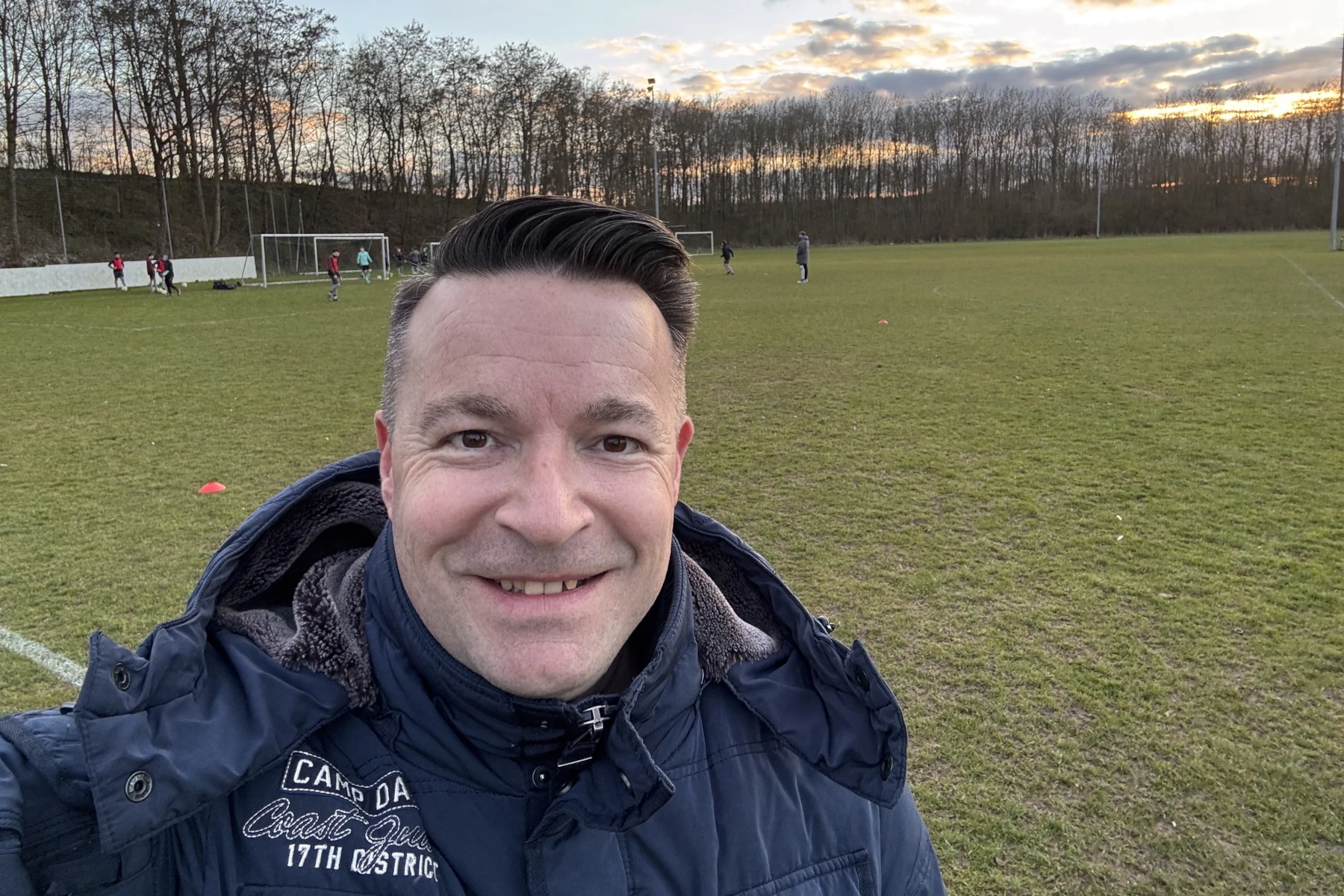
He can also be found on the local club’s soccer field.
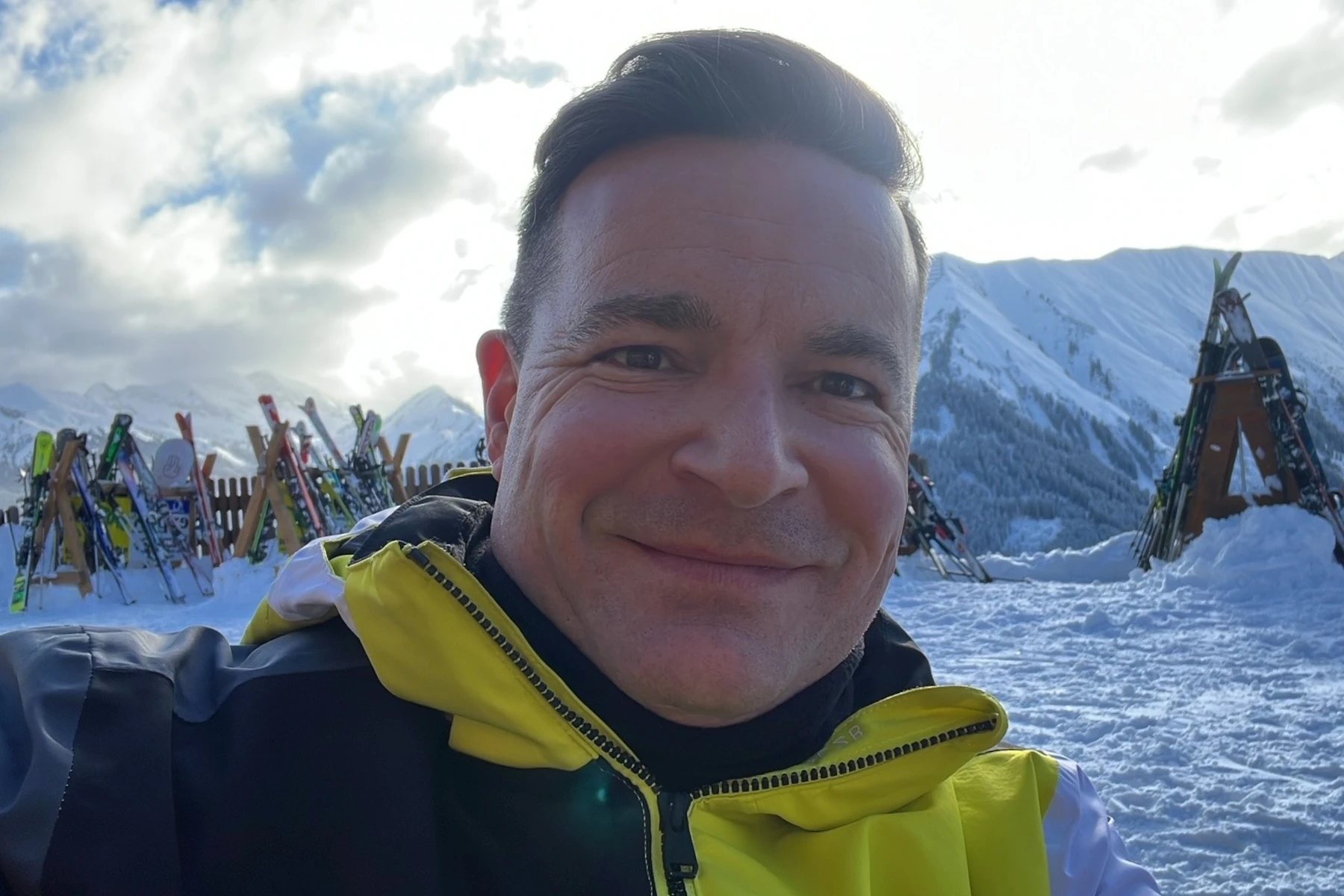
Or while skiing in the mountains…

… and he’s happy to bring his children along as well.