It’s something most of us are already familiar with in our private lives: After purchasing goods or services, we will get an email from the provider asking us to tell them, on a scale of 0 (“very unlikely”) to 10 (“very likely”), “How likely are you to recommend us to a friend or colleague?” It may be just a quick click from us, but for the company it’s a key indicator of their customers’ satisfaction.
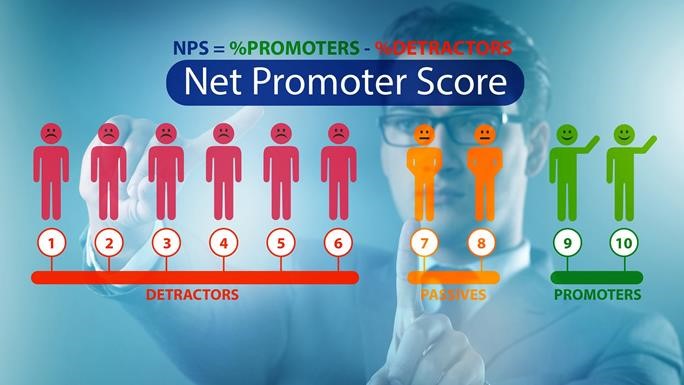
That’s why Uhlmann has also been using the so-called Net Promoter Score (NPS) since April 2021: On reaching certain milestones in our interactions with customers, they will automatically receive an email. And depending on their responses, they are separated into three categories. Customers who click on the 9 or the 10 are “Promoters”. Those returning a score of 7 or 8 are classified as “Passive/Neutral,” meaning satisfied but not enthusiastic. And anyone who chooses a rating between 0 and 6 is considered a “Detractor”: a dissatisfied customer who is hardly likely to buy anything from Uhlmann again. A company’s NPS score is calculated from the difference between Promoters and Detractors.

We use the NPS to make improvements.
Stefan Schuler, Customer Complaint Manager
Our customers’ opinions count
“Customer focus is about putting customer’s opinion first! Moreover, our quality management certification also includes providing a customer satisfaction assessment.” explains Stefan Schuler. The NPS is the key metrics for customer experience and loyalty and can range from minus 100 to plus 100. Currently, Uhlmann Pac-Systeme has an NPS score of 60. “That’s good. But our next goal is to secure an NPS of 70 to 80,” says Schuler. And to do this, he has to pick up the phone. That’s because he’s a Customer Complaint Manager, so he knows how to deal with customer issues. “It’s not simply a question of knowing our NPS score,” he explains, “we also use it to make any necessary improvements. If a customer gives us a rating of less than 7, I give them a call together with a member of the department that received the low score. We then ask them to explain the reasons for the poor rating and search for solutions.”
It pays to have a thick skin in this job!
The feedback Schuler receives in the two to three meetings he has every
month is a mixed bag: “Some people think there were too many contacts in the project, while others may be unhappy about technical issues. He doesn’t need any special training to become a complaints manager, but he does need special skills: “You have to have a thick skin when you’re solely dealing with complaints. You also need a good network within the company to find solutions for dissatisfied customers – and a certain tenacity.”
However, for the NPS to make a real impact, you need everyone with customer contact on board. Currently, the rate of responses to the survey is between five and ten percent. “It could be better,” says Schuler. So making customers aware of how much Uhlmann cares about their satisfaction – and that a quick click helps improve their experience – can’t hurt.