Actually, we were all set to go – with the blister lines for packaging a Covid drug prepped and ready for acceptance testing – were it not for one small detail: the blisters that rolled off the line had a small dent on the film side.
The reason why the blisters were not up to scratch quickly became clear: the knocker units that dislodge the blisters from the suction belt were striking too hard. Little wonder given the maximum performance they have to deliver on a three-lane machine with a cycle rate of up to 700 blisters per minute. “It was basically just a cosmetic problem, the blisters were still seal-tight,” explains Michael Mayer, Team Leader Coordination Projects & Assembly at Uhlmann. “But it wasn’t enough to satisfy our standards.” Tobias Ego, Head of Assembly Synchronisation, took up the matter as coordinator and, together with the Synchronization Assembly and Custom Engineering divisions, began to search for a solution.
Foam was the solution
The team quickly figured out what to do: The height of the knocker units had to be adjusted and additionally fitted with foam for damping. But speed was of the essence – as Design Engineer Marco Zanker explains: “We managed, overnight, to produce the first plastic parts on the 3D printer. But the plastic parts from this rapid prototyping process have a different center of gravity than the aluminum parts, which means that they also differ in terms of their impact force. So we had to approach the final design step by step.”
The cross-divisional teamwork was incredibly good.
Serhat Toykan, Director Manufacturing Axito
The team managed to master this challenge, too, and the story would have ended with an order being sent to Axito who manufactured the aluminum knocker units. But this was no ordinary case, as Serhat Toykan, Director Manufacturing at Axito, explains: “As it was both a very urgent and tricky job we were facing, we all got together to talk about how the different tasks should be shared. The cross-divisional teamwork was incredibly good, with Michael Mayer supervising everything, while, on Axito’s side, our Head of Operation Philipp Fleischer and Andreas Hohnecker, Team Leader Operations Control, took on the role of coordinators.” Thanks to resourceful programmers who coaxed as many “strikes” as possible out of the machine made of a single block, Axito managed to produce the first batch overnight.
But the teamwork didn’t end there. It wasn’t just the production time that was tricky, but also the damping elements, as Team Leader Assembly Synchronisation Andreas Russ explains: “The foam pieces that were glued to the aluminum parts were two millimeters too wide – in other words, too much to leave on and too little to be able to cut cleanly.”
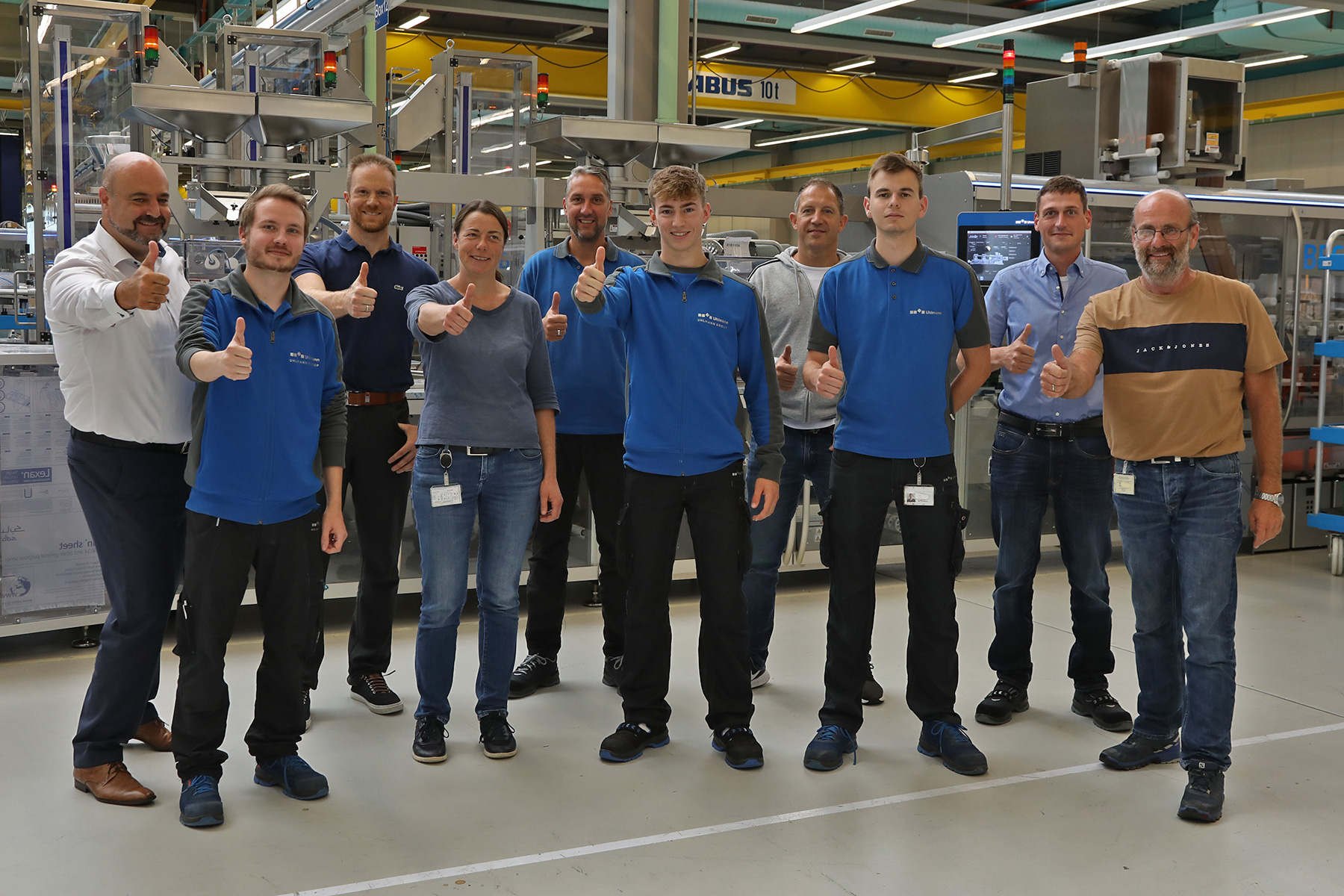
Indispensable: our apprentices
The team decided to get the apprentice workshop on board for gluing and processing the foam pieces. Trainer Matthias Hötzinger immediately set to work with the two apprentices, Matthias Schenk and Simon Schwarz. To ensure that the precision work could be carried out safely – without injuring fingers or damaging the aluminum – Marco Zanker and the apprentice workshop quickly designed protective devices for the sanding blocks, which they then printed using the 3D rapid prototyping process. “It’s so much fun working with these young people because they are just as keen to help optimize the parts,” says Zanker. And Hötzinger is also full of praise for his trainees: “They spent a week trimming the foam, gluing the 360 parts, sanding the rubber, and cleaning the parts without a grumble. And because it had to be done so quickly, there was no room for error. But it was a valuable project in that it showed them that gluing parts is also important, and that we all pull together.”
In the end, it took three working days to get the first batch of 120 parts sent to our customers. And the team has learned just how effective cross-company teamwork can be. Coordinator Michael Mayer sums it up like this: “What this story shows is that by working together we can make a difference and make the seemingly impossible possible. Whether you look at the design, production, booking in and out, or transportation of the parts, it was, in every respect, a great collaborative effort that helped our customers.”
The main players in this “knocker” project were:
AXITO: Serhat Toykan (Director Manufacturing), Philipp Fleischer (Head of Operation), Andreas Hohnecker (Team Leader Operations Control), Edin Lihovic (Operations Planner), Wolfgang Hörmann (Operations Planner) Programming: Herbert Wäspy; machine operators: Florian Egle, Mehmet Mutluer, Elvis Arnautovic, Karl Wicker, Stefan Locher



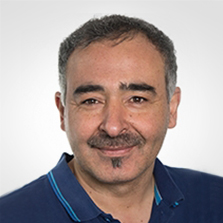
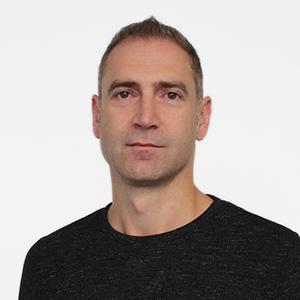
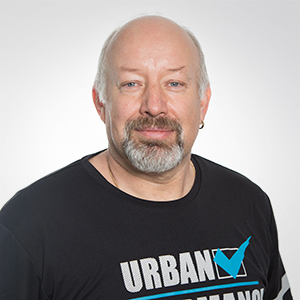
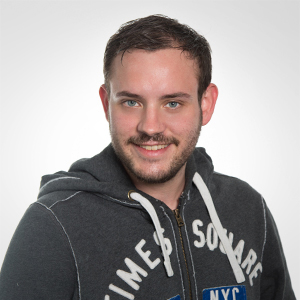
Assembly: Tobias Ego (Head of Assembly Synchronisation), Dirk Westenberger (Assembly Technician), Andreas Russ (Team Leader Assembly Synchronisation)
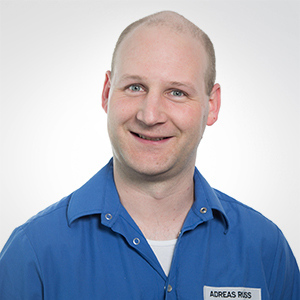
Custom Engineering: Marco Zanker (Design Engineer)
Apprentice workshop: Matthias Hötzinger (Vocational Trainer), Matthias Schenk (mechatronics engineer), and Simon Schwarz (‘Ulm Model’ Electrical Engineering)
Planning & Control: Michael Mayer (Team Leader Coordination Projects & Assembly) and Michael Mayer (Coordinator Projects & Assembly)

SCM: Katharina Henkel (Team Leader Commercial Parts), Simon-Norman Nitschke (Head of Operational Procurement)
WE: Katharina König (Commercial Warehouse Specialist)

Vehicle fleet: Clemens Habdank (driver)
Help us improve.
Please rate this article:


 Loading...
Don't miss any stories!
Subscribe to the pactuell newsletter now to receive information on new articles directly in your inbox:
You can find more about the subscription and data protection here.